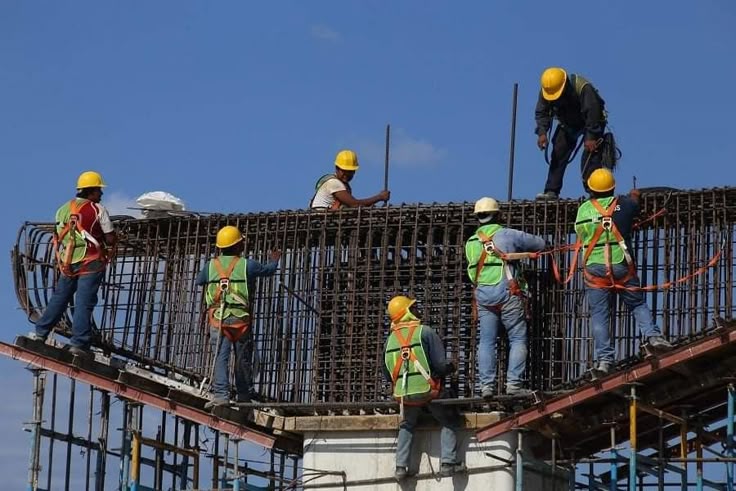
Achieving excellence in today’s competitive United States market requires more than just raw materials and labor. It demands a bina sempurna approach, where precision meets innovation from the very first day of planning.
By prioritizing construction quality during the initial phase, developers set a solid foundation for long-term success. This proactive mindset ensures that every structure meets the rigorous demands of modern infrastructure requirements.

Edit
Full screen
Delete
bina sempurna
Building with purpose allows teams to avoid costly mistakes and delays. When you embrace a bina sempurna philosophy, you create value that lasts for generations. High standards in construction quality are not just goals; they are the essential pillars of a thriving industry.
Key Takeaways
- Prioritizing quality early prevents expensive project delays.
- Modern infrastructure demands strict adherence to high standards.
- A foundational approach ensures long-term structural integrity.
- Competitive markets reward developers who focus on precision.
- Excellence in building creates lasting value for stakeholders.
The Philosophy of Bina Sempurna in Modern Construction
Perfection in modern construction is rarely an accident; it is the result of a carefully planned philosophy. By embracing the concept of bina sempurna, project managers and developers move beyond simple completion to achieve true excellence. This approach treats every phase of a project as a vital step toward a superior final product.
Defining the Core Principles of Perfect Building
At its heart, this philosophy relies on the idea that intentionality drives results. When teams prioritize construction quality from the very first sketch, they eliminate the need for costly rework later. Clear communication and shared goals ensure that every stakeholder understands their role in maintaining high standards.
“Quality is never an accident; it is always the result of high intention, sincere effort, intelligent direction and skillful execution; it represents the wise choice of many alternatives.”
— William A. Foster
Successful projects often follow a set of established benchmarks that guide daily operations. These principles help teams stay focused on the long-term vision rather than just immediate deadlines. By setting these expectations early, firms create a culture where excellence becomes the standard rather than the exception.
Why Quality Standards Matter in the United States Market
In the United States, strict building standards are not just suggestions; they are the foundation of legal and structural integrity. Adhering to these codes protects both the developer and the end-user from future liabilities. High-quality work ensures that structures remain safe and functional for decades to come.
Furthermore, maintaining rigorous construction quality helps firms stand out in a crowded market. Clients today demand transparency and proof of durability before they commit to large investments. By consistently meeting or exceeding building standards, companies build a reputation for reliability that is essential for long-term growth.
Ultimately, the bina sempurna mindset serves as a competitive advantage. It transforms the construction process into a disciplined practice that delivers lasting value to the community. When quality is the primary focus, success naturally follows.
Strategic Planning and Pre-Construction Excellence
Excellence in construction is rarely an accident; it is the result of meticulous pre-construction preparation. By prioritizing project planning, teams can establish a clear vision that guides every phase of development. This proactive approach ensures that all stakeholders remain aligned with the highest building standards from the very beginning.
The Role of Detailed Architectural Blueprints
A high-quality architectural design serves as the primary roadmap for any construction team. These detailed blueprints provide the precision necessary to translate complex concepts into physical reality. When contractors have access to comprehensive plans, they can anticipate challenges and maintain a steady workflow.
Edit
Delete
Clear documentation reduces the likelihood of errors during the build. It allows for better project management, ensuring that resources are allocated efficiently. Consider these primary benefits of having detailed blueprints:
- Improved accuracy in material procurement and cost estimation.
- Enhanced coordination between specialized subcontractors.
- Clearer communication regarding structural expectations and aesthetic goals.
Risk Mitigation Through Comprehensive Site Analysis
Before breaking ground, a thorough site analysis is essential to identify potential obstacles. This process involves evaluating geological conditions and environmental factors that could impact the long-term stability of the structure. By identifying these risks early, teams can implement effective solutions before they become costly delays.
Effective site analysis acts as a safety net for the entire project lifecycle. It helps developers understand the unique constraints of the land, such as soil composition or drainage requirements. Taking these steps early ensures that the final structure is both safe and durable for years to come.
Selecting the Right Materials for Long-Term Durability
The foundation of any lasting structure begins with the careful selection of high-quality building materials. Every choice made during the procurement phase directly influences the structural integrity of the final project. By prioritizing quality, builders ensure that their work meets rigorous building standards while providing safety for all occupants.
Sustainable Sourcing and Environmental Impact
Modern projects increasingly rely on sustainable construction practices to reduce their carbon footprint. Choosing eco-friendly resources is no longer just a trend; it is a vital component of responsible development. When you source materials locally or opt for recycled steel and reclaimed wood, you contribute to a healthier planet.
- Reduced waste through efficient material usage.
- Lower energy consumption during the manufacturing process.
- Improved indoor air quality for future residents.
“True sustainability in architecture is not just about the energy a building saves, but the longevity of the materials that hold it together.”
Balancing Cost-Efficiency with High-Performance Materials
Many developers worry that high-performance options will break the budget. However, focusing on long-term durability often results in significant savings over the life of the asset. Investing in premium materials reduces the frequency of maintenance and prevents premature degradation.
Consider the following comparison of material investments to understand how initial costs relate to long-term value:
| Material Type | Initial Cost | Lifespan | Maintenance Needs |
| Standard Grade | Low | Short | High |
| High-Performance | Moderate | Long | Low |
| Premium Sustainable | High | Very Long | Minimal |
Finding the right balance requires a strategic approach to procurement. By evaluating the lifecycle cost rather than just the sticker price, you ensure that your project remains a valuable asset for decades. This commitment to quality is the hallmark of a truly successful build.
The Importance of Skilled Labor and Professional Oversight
Achieving architectural perfection relies heavily on the synergy between skilled labor and professional oversight. While high-quality building materials provide the foundation, the human element remains the most significant factor in the success of any construction endeavor. A project is only as strong as the team that brings it to life.

Edit
Full screen
Delete
skilled labor and construction oversight
Training and Certification Standards for Construction Crews
To maintain a high standard of work, construction firms must prioritize rigorous training and certification. Modern sites require workers who are not only physically capable but also technically proficient in the latest safety protocols. Continuous education ensures that crews stay updated on evolving industry regulations and best practices.
Certification programs, such as those provided by OSHA or specialized trade unions, serve as a benchmark for quality. When a crew possesses these credentials, it minimizes the risk of errors during the assembly of complex architectural design elements. Investing in people is the most reliable way to ensure long-term structural integrity.
Effective Communication Between Architects and Contractors
The bridge between a vision and a finished building is built on clear communication. Architects and contractors must maintain a constant dialogue to ensure that the original design intent is preserved throughout the build. This collaboration prevents costly misunderstandings that often arise when plans are misinterpreted on-site.
Effective construction oversight requires that both parties speak the same technical language. By utilizing shared digital platforms and regular site meetings, teams can address potential issues before they become permanent problems. This proactive approach ensures that the final structure matches the client’s expectations perfectly.
| Role | Primary Responsibility | Key Focus Area |
| Architect | Design Integrity | Aesthetic and Functional Vision |
| General Contractor | Execution | Resource and Labor Management |
| Site Supervisor | Safety and Quality | Daily Construction Oversight |
| Specialized Trades | Technical Installation | Precision and Skilled Labor |
Implementing Bina Sempurna Through Advanced Technology
Technology serves as the backbone for modern project management and sustainable construction practices. By integrating digital solutions, builders can achieve the high standards of bina sempurna with greater consistency and speed. These tools allow teams to bridge the gap between initial design concepts and the final physical structure.
Utilizing Building Information Modeling (BIM)
Building Information Modeling (BIM) has transformed how professionals approach project planning. This technology creates a digital twin of the structure, allowing architects and engineers to visualize every detail before breaking ground. It helps identify potential clashes in mechanical or electrical systems early in the process.
By using BIM, teams ensure that every component aligns perfectly with the bina sempurna philosophy. This proactive approach minimizes costly rework and ensures that materials are used efficiently. It is a vital component of modern construction technology that keeps projects on the right track.
The Impact of Automated Project Management Software
Automated software solutions streamline complex workflows by centralizing communication and data. These platforms provide real-time updates on progress, budget, and resource allocation. When teams use these tools, they reduce human error and improve overall transparency across the job site.
Effective project management relies on the ability to make data-driven decisions quickly. Automated systems allow managers to track milestones and adjust schedules without the typical delays found in manual reporting. This level of control is essential for maintaining sustainable construction standards throughout the project lifecycle.
| Feature | Traditional Method | Tech-Driven Approach |
| Planning Accuracy | Moderate | High |
| Communication | Fragmented | Centralized |
| Budget Control | Reactive | Proactive |
| Resource Tracking | Manual | Automated |
Adopting the right construction technology is no longer optional for firms aiming for excellence. By refining project planning through digital integration, companies can deliver superior results that stand the test of time.
Quality Control Protocols During the Construction Phase
Precision in the field is what separates a standard structure from a masterpiece of engineering. By integrating advanced construction technology into daily workflows, teams can maintain a high level of construction quality that meets modern demands. This proactive approach ensures that every phase of the project remains on track and within the defined scope.

Edit
Full screen
Delete
construction quality and oversight
Routine Inspections and Compliance Audits
Regular site visits are the heartbeat of a well-managed project. These inspections allow managers to verify that the architectural design is being followed with absolute accuracy. It is essential to confirm that all building materials arriving on-site meet the specified grade and safety requirements before they are installed.
Compliance audits serve as a vital safety net for the entire team. By documenting every stage, contractors can prove that they meet local building codes and industry standards. This transparency builds trust with stakeholders and ensures that no detail is overlooked during the busy construction cycle.
Addressing Structural Challenges Before They Escalate
Even the best-planned projects can encounter unexpected hurdles. Effective construction oversight allows managers to spot potential issues, such as foundation settling or framing misalignments, before they become major problems. Addressing these concerns early saves significant time and prevents expensive rework later on.
Maintaining structural integrity is the ultimate goal of any professional build. When teams catch small errors early, they protect the long-term value of the asset and ensure the final delivery exceeds client expectations. Consistency in these protocols is the true hallmark of a successful construction firm.
Safety First: Protecting Workers and Assets
A truly successful building project begins with the unwavering commitment to the safety of every individual on site. Construction safety is not merely a checklist; it is the heartbeat of a professional job site. By fostering a culture where everyone feels responsible for their peers, we ensure that every project reaches completion without incident.
OSHA Compliance and Site Safety Culture
Adhering to OSHA standards is the baseline for any reputable firm in the United States. These regulations provide the framework necessary to maintain structural integrity while keeping skilled labor protected from avoidable hazards. When teams understand the “why” behind these rules, they are more likely to follow them consistently.
A robust safety culture empowers workers to speak up when they notice potential risks. This proactive communication is supported by modern construction technology, which helps monitor site conditions in real-time. When safety is ingrained in the daily routine, it becomes a natural part of the workflow rather than an afterthought.
Preventing Delays Through Proactive Safety Measures
Accidents are the primary cause of unexpected project downtime. By conducting a thorough site analysis before breaking ground, managers can identify environmental hazards early. This foresight allows teams to implement safeguards that keep the schedule moving forward smoothly.
Proactive measures act as a strategic advantage for any developer. Investing in safety training and high-quality equipment reduces the likelihood of costly work stoppages. The following table highlights how proactive management compares to reactive approaches in a typical construction environment.
| Management Strategy | Impact on Schedule | Cost Efficiency | Worker Morale |
| Proactive Safety | Minimal Delays | High | Excellent |
| Reactive Safety | Frequent Stoppages | Low | Poor |
| Compliance Focused | Controlled | Moderate | Stable |
Ultimately, prioritizing the well-being of your team ensures that your assets remain protected throughout the entire build. A safe site is a productive site, and that is the true hallmark of a quality project.
Post-Construction Evaluation and Maintenance Planning
Reaching the end of a construction project marks the start of a building’s true lifecycle. While the physical structure is complete, effective project management requires a smooth transition into the operational phase. This period is vital for ensuring that the finished asset meets every expectation set during the design process.
Ensuring Client Satisfaction Through Final Walkthroughs
The final walkthrough serves as the ultimate test of construction oversight. It provides a dedicated time for the client to inspect the work and identify any remaining punch-list items. Addressing these small details promptly is essential for maintaining high standards of quality.
A thorough walkthrough ensures that all systems function as intended. By verifying that every component meets the original specifications, contractors can guarantee total client satisfaction. This proactive approach prevents minor issues from becoming costly repairs later on.
“Maintenance is not a cost; it is an investment in the future performance and safety of your property.”
— Industry Expert
Developing Long-Term Maintenance Schedules for Asset Longevity
To achieve long-term durability, owners must implement a structured maintenance plan. This strategy supports sustainable construction by extending the life of materials and reducing the need for premature replacements. A well-maintained building remains efficient and safe for all occupants.
Prioritizing construction safety through regular audits is a key component of any maintenance schedule. By tracking the performance of HVAC, electrical, and structural systems, you can address wear and tear before it escalates. The following table outlines a recommended maintenance framework for modern facilities.
| System Component | Inspection Frequency | Primary Goal | Action Required |
| Structural Integrity | Annually | Safety Compliance | Visual Audit |
| HVAC Systems | Quarterly | Energy Efficiency | Filter Replacement |
| Electrical Panels | Bi-Annually | Fire Prevention | Thermal Scanning |
| Roofing & Drainage | Semi-Annually | Waterproofing | Debris Removal |
Consistent care ensures that your investment continues to provide value. By following these protocols, you protect the integrity of the build and ensure the facility remains a high-performing asset for decades to come.
Conclusion
Achieving bina sempurna requires a total commitment to planning, technology, and professional execution. Every project thrives when teams prioritize a deep site analysis to understand the unique demands of the land.
Success in the United States construction sector relies on the dedication of skilled labor. These professionals turn complex blueprints into reality while maintaining high standards of precision. Their expertise remains the backbone of every successful build.
Builders must integrate rigorous construction safety protocols to protect both workers and the integrity of the site. A culture of vigilance prevents accidents and keeps timelines on track. This focus on safety fosters trust with clients and partners alike.
Choosing the right materials ensures long-term durability for every structure. Investing in quality today prevents costly repairs in the future. We invite you to apply these core principles to your next project to reach new heights of industry excellence.
FAQ
What is the significance of the Bina Sempurna philosophy in modern construction?
The concept of Bina Sempurna, or “perfect building,” is a foundational approach that prioritizes high quality standards and precision from the very start. In the competitive United States market, this philosophy ensures that infrastructure projects meet rigorous demands and sets a benchmark for excellence that satisfies both developers and regulatory bodies.
How does strategic planning help in mitigating project risks?
Strategic planning is the bedrock of a successful development. By utilizing detailed architectural blueprints and conducting a comprehensive site analysis, teams can identify potential geological or environmental challenges early. This proactive approach to risk mitigation allows contractors to execute complex designs with total precision.
Can developers achieve cost-efficiency without sacrificing material quality?
Yes! It is entirely possible to balance cost-efficiency with high-performance materials. By focusing on sustainable sourcing, builders can select eco-friendly materials that offer long-term durability. Investing in quality materials from brands like Cemex or Vulcan Materials reduces future repair costs and minimizes the overall environmental impact.
Why is effective communication between architects and contractors so critical?
Professional oversight and effective communication ensure that the original design vision is accurately translated into the final structure. When skilled labor and certified crews work closely with architects, it minimizes errors and ensures that all training and certification standards are upheld throughout the construction lifecycle.
How has technology like BIM changed the way projects are managed?
Advanced technology has revolutionized the industry. Building Information Modeling (BIM) allows for the visualization of complex structures before ground is broken. When paired with automated project management software like Procore or Autodesk Build, these tools streamline workflows, reduce human error, and keep projects on schedule.
What measures are taken to ensure quality control during the construction phase?
To maintain the highest performance standards, project managers implement rigorous quality control protocols. This includes routine inspections and compliance audits to catch and address structural challenges before they escalate, preventing costly delays and ensuring the project remains safe and stable.
How does a focus on safety impact the overall success of a project?
A robust site safety culture and strict OSHA compliance are non-negotiable. Beyond protecting the well-being of the workforce, proactive safety measures act as a strategic advantage by preventing accidents that would otherwise lead to significant project delays and financial loss.
What steps are involved in the post-construction phase to ensure asset longevity?
Once construction wraps up, a final walkthrough is conducted to ensure total client satisfaction. The journey continues by developing long-term maintenance schedules, which are essential for maximizing asset longevity and ensuring the building performs optimally for years to come.
About the Author
